Any links to online stores should be assumed to be affiliates. The company or PR agency provides all or most review samples. They have no control over my content, and I provide my honest opinion.
Now that Garmin has updated all its watches for the year, you may be wondering which is the best buy and how models are different.
In particular, the pricing and features of the Vivoactive 4 and Forerunner 245 are quite close and if you are looking for an upgrade, or this is your first Garmin watch, then I hope the below will help you choose.
Related content:
Price
[content-egg module=Amazon template=list]
The current pricing on the Garmin website states:
- Venu – £299
- Vivoactive 4 – £279
- Vivoactive 4S – £259
- FR245 Music / None music – £299 / £249
- Vivoactive 3 Music / None Music – £249 / £19
If you are on the lookout for a bargain, buying older products will yield the best results. The Vivoactive 3 is available on Amazon for just £149 and £199 for the music version.
The Forerunner 245 Music is £284.99 and none music is £227.99
Design & Build
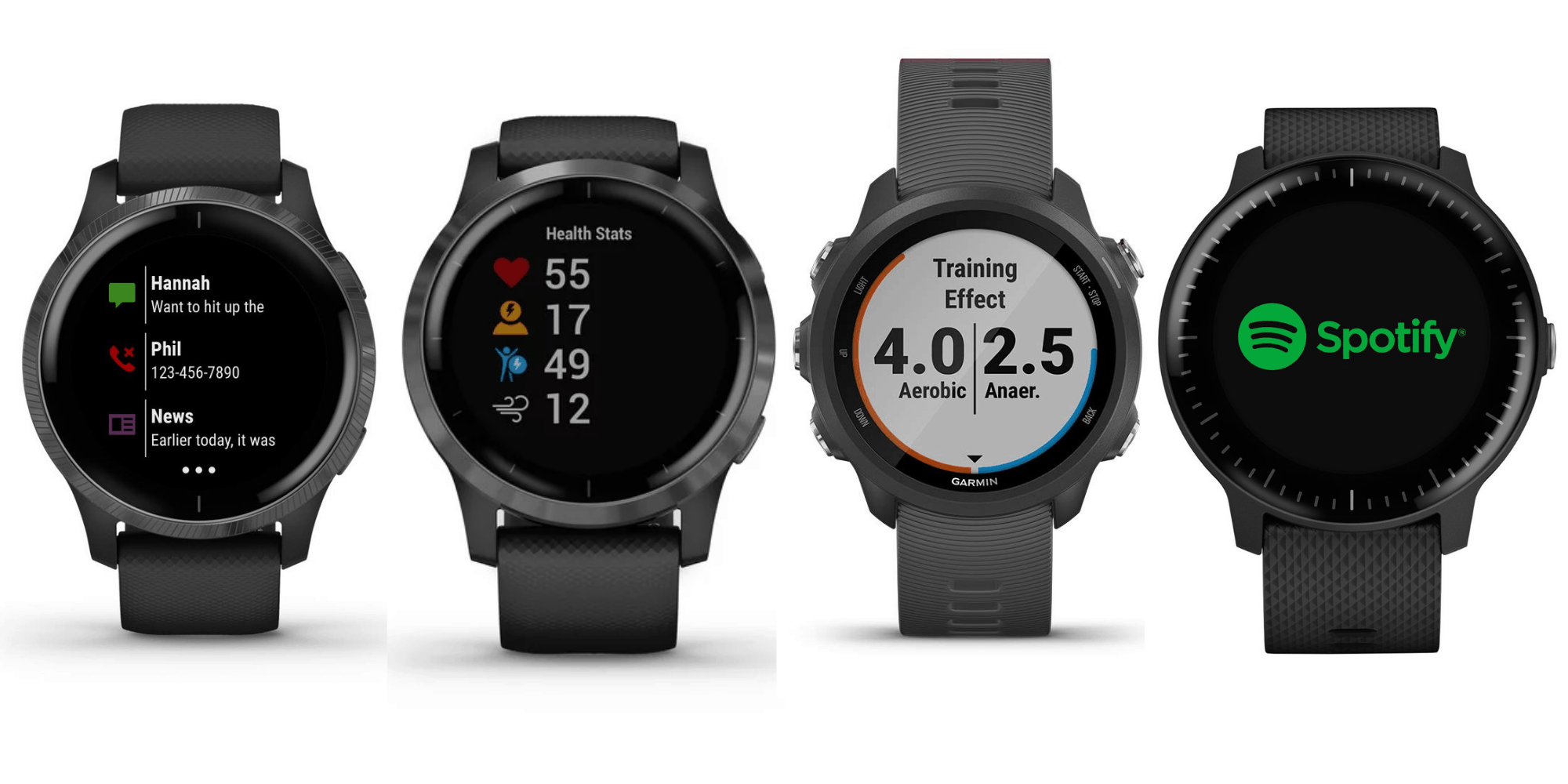
The overall look is one of the defining features of the models. The FR245 does look considerably nicer than its previous generation, but it can’t compete with the sleek appearance of the Vivoactive or Venu.
Then with the Venu, you also have that bright AMOLED display. Again, this shows how the watches are positioned for different people. If you want a smartwatch that looks great but also has some great fitness features, the Venu is a good solution.
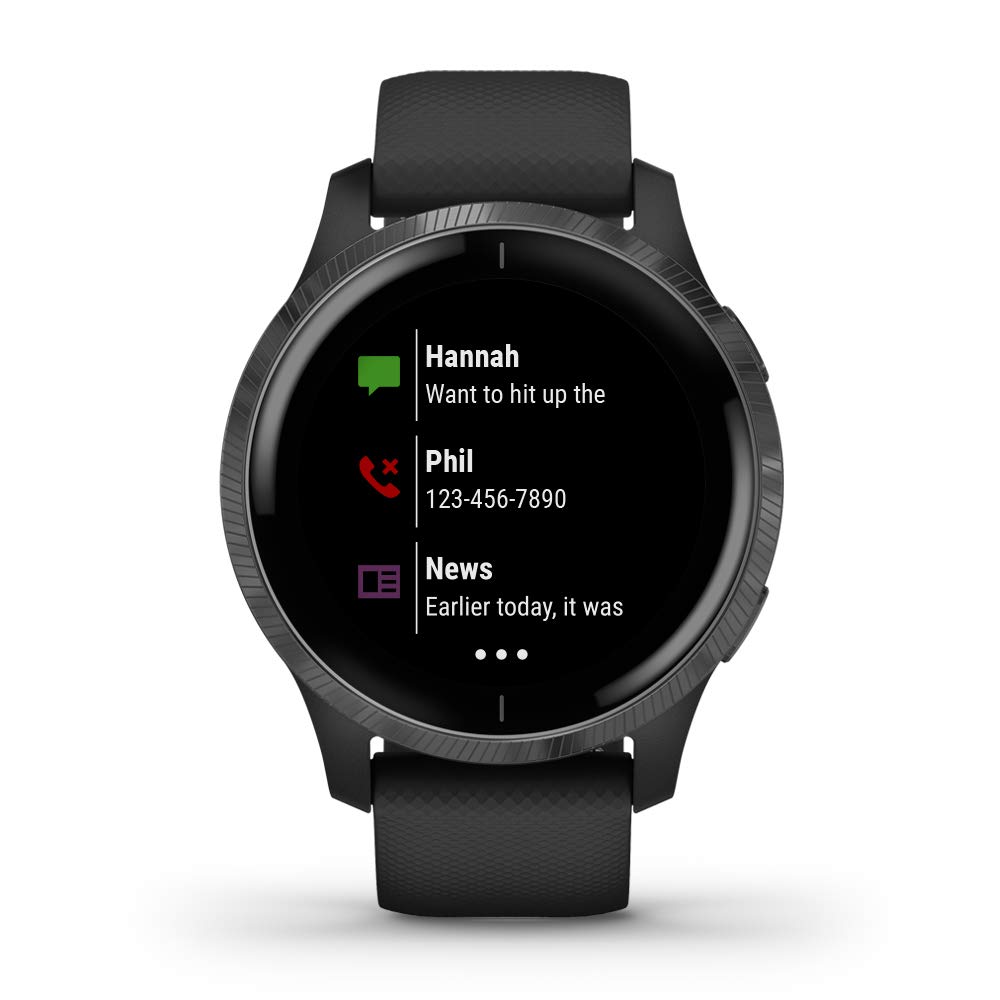
Venu 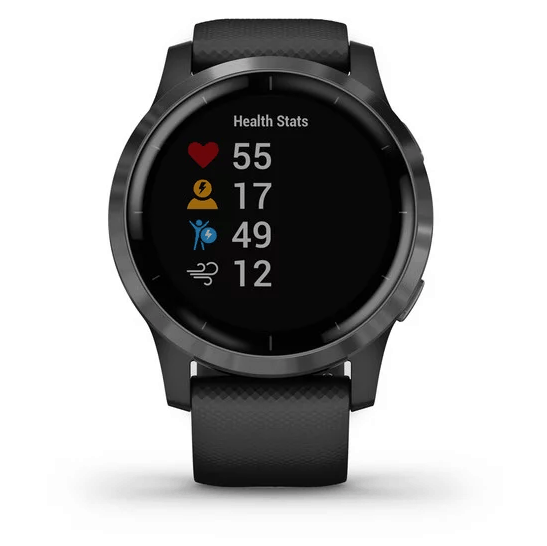
Vivoactive 4 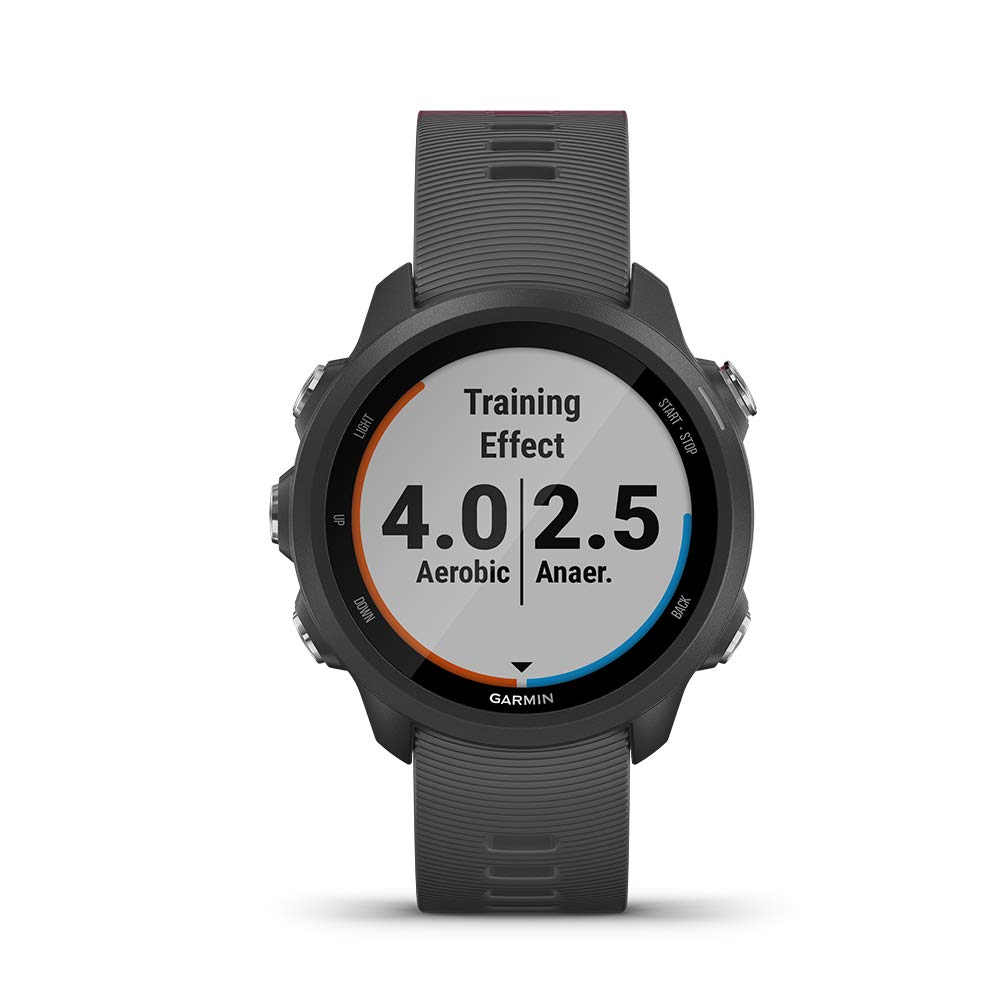
FR245 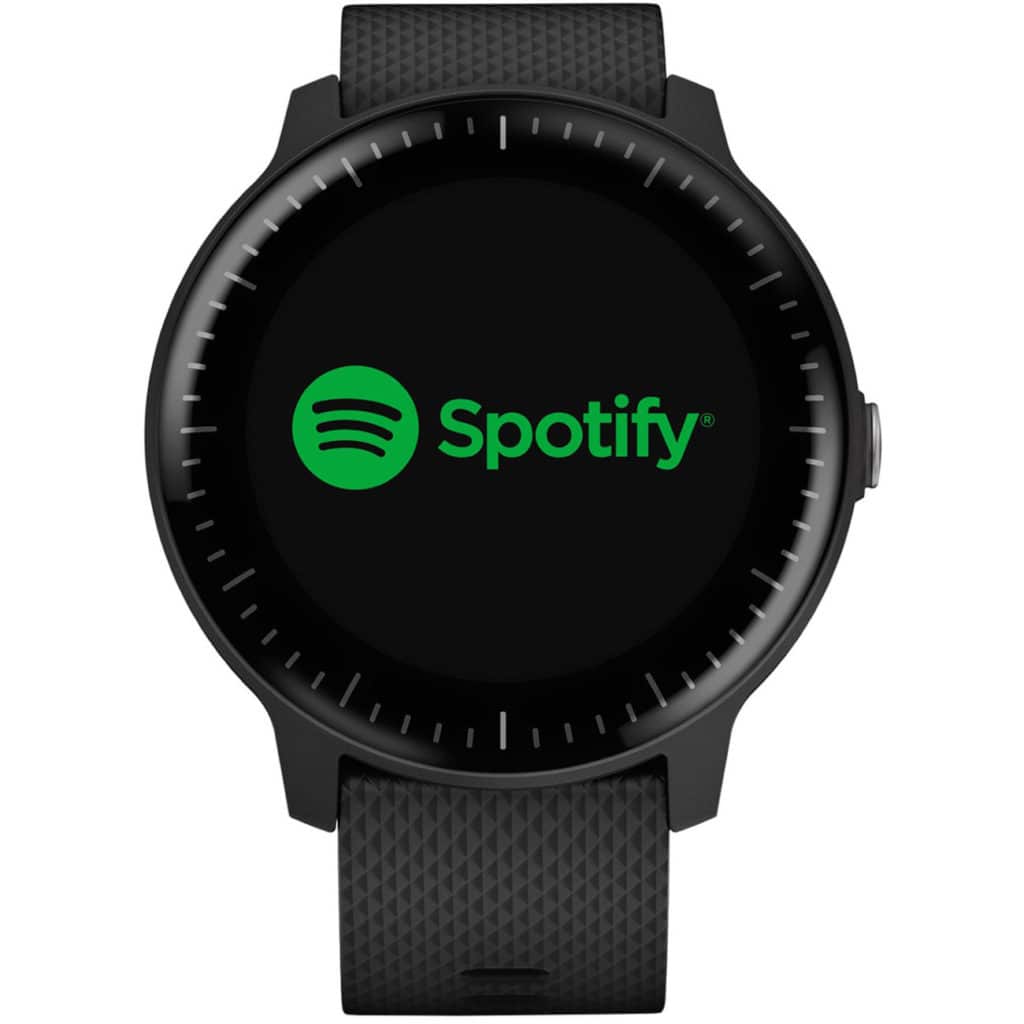
Vivoactive 3
Physical Dimensions
- Venu
- 432 x 43.2 x 12.4 mm Fits wrists with a circumference of 125-190 mm
- 46.3 g
- Vivoactive 4
- 45.1 x 45.1 x 12.8 mm – Fits wrists with a circumference of 135-200 mm
- 50.5 g
- Vivoactive 4S – £259
- 40 x 40 x 12.7 mm – Fits wrists with a circumference of 110-175 mm
- 40.0 g
- Forerunner 245
- 42.3 x 42.3 x 12.2 (mm); Fits wrists with a circumference of 127-204 mm
- 38.5 g
- Vivoactive 3
- 43.1 x 43.1 x 13.6 mm, fits wrists with a circumference of 127-204 mm
- 39.0 g
Display
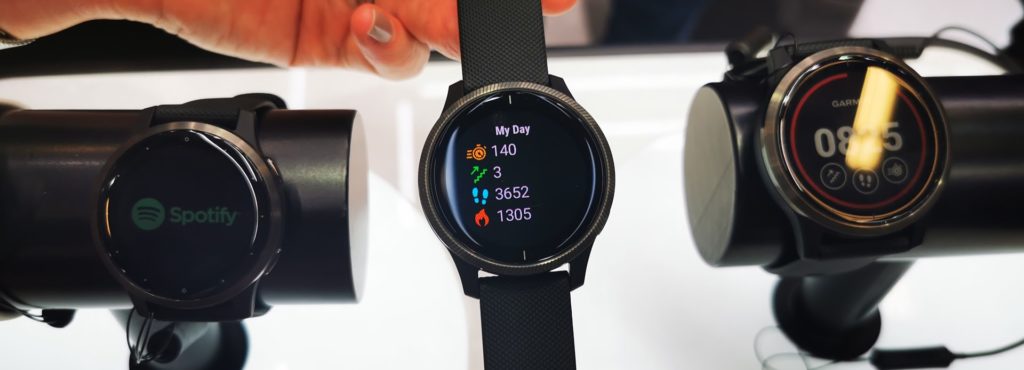
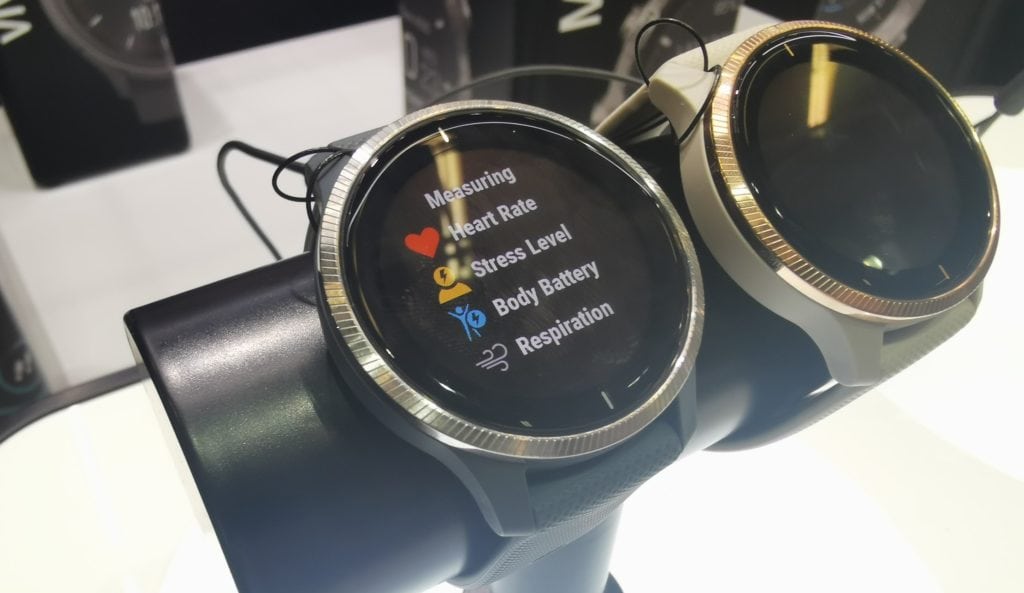
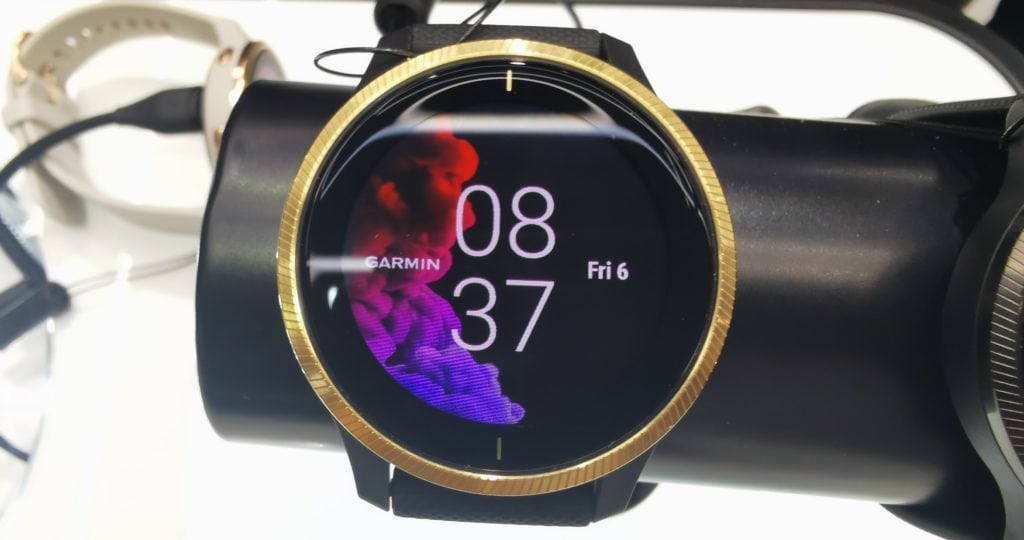
- Venu – 30.4 mm diameter 390 x 390 pixels AMOLED
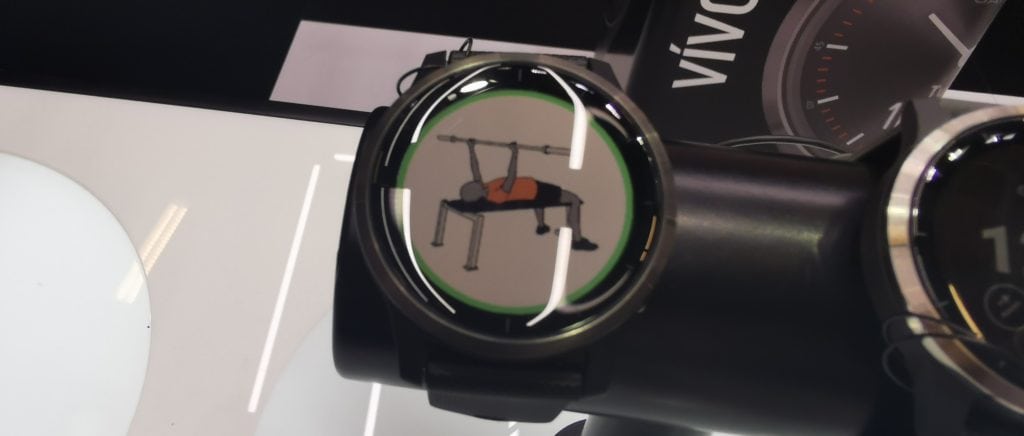
- Vivoactive 4 – 1.3″ (33.0 mm) diameter 260 x 260 pixels Sunlight-visible, transflective memory-in-pixel (MIP)
- Vivoactive 4S – 1.1″ (27.9 mm) diameter 218 x 218 pixels Sunlight-visible, transflective memory-in-pixel (MIP)
- Forerunner 245 – 1.2″ (30.4 mm) 240 x 240 pixels Sunlight-visible, transflective memory-in-pixel (MIP)
- Vivoactive 3 Music – 1.2″ (30.4 mm) 240 x 240 pixels Sunlight-visible, transflective memory-in-pixel (MIP)
HRM & GPS
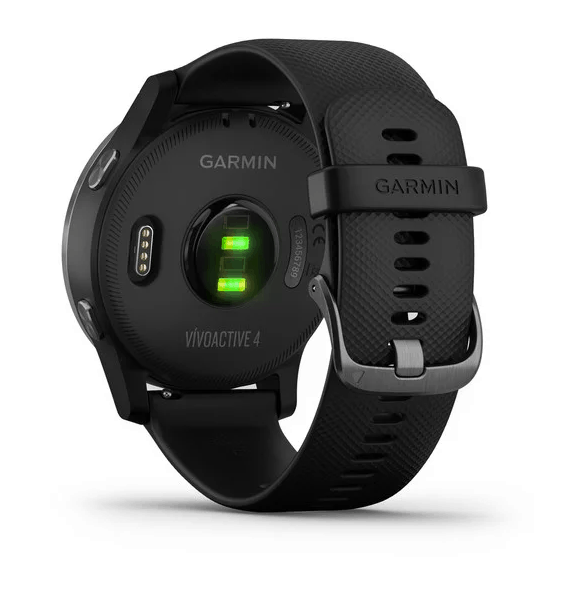
Elevate V3 on all new watches 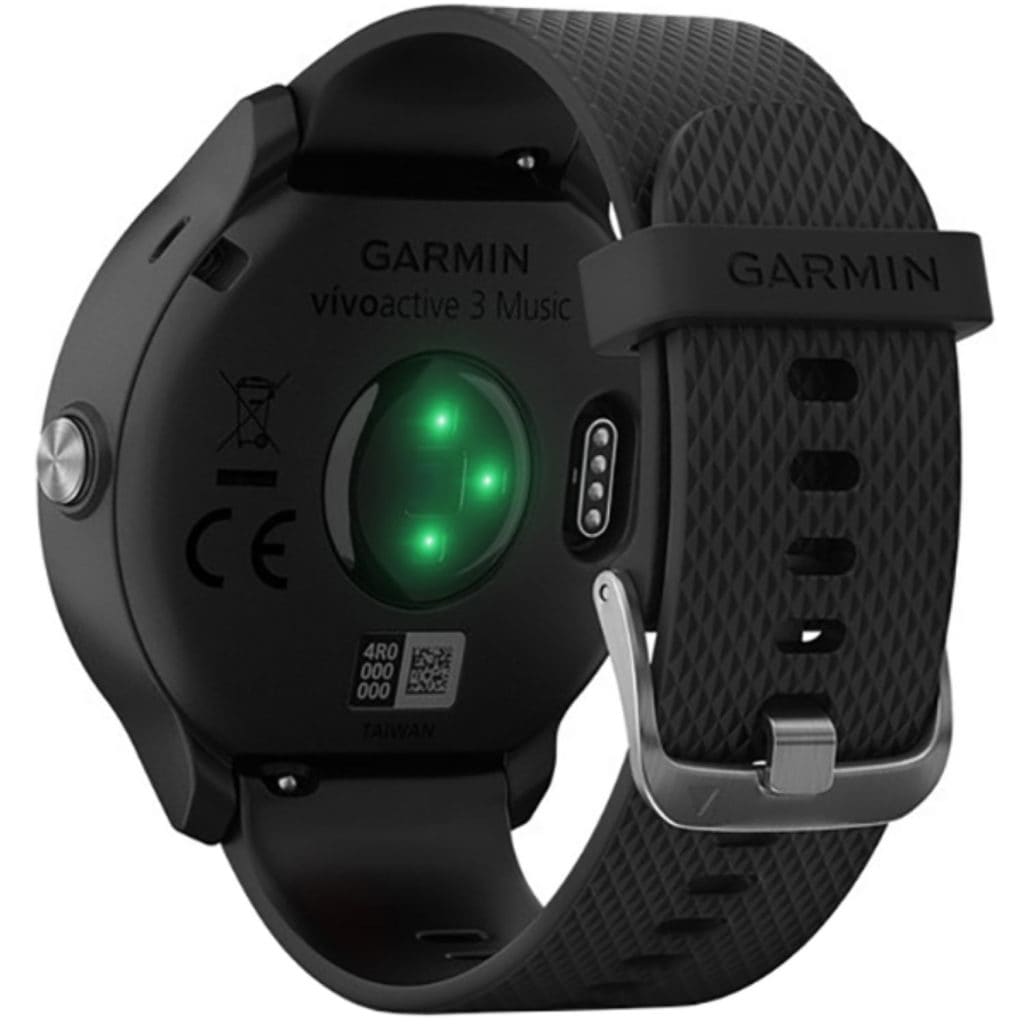
The older HRM on Vivoactive 3
All the models launched this year include the new Garmin Elevate V3 optical HR sensor which allows the PulseOx for 24×7 blood oxygen tracking.
They have also all been upgraded to the Sony GPS chipset which is supposed to offer lower battery drain.
Music & Pay
As the pricing above indicates, the FR245 and Vivoactive 3 have models with and without music. The newer devices all have music as standard (which is odd for the Fenix 6 to now have music and none music models).
FirstBeat Features
The FirstBeat features is where you really see how Garmin cuts back on the features of the Vivoactive & Venu range.
The new models gets five Firstbeat features including:
- VO2max Fitness Level
- All-day Stress & Recovery
- Body Resources
- Fitness Age
- Calories Burned
The older Vivoactive 3 had four features, lacking body Resources
The Forerunner 245 models have 11 features in total, including all the above features plus:
- Training Effect: Aerobic
- Training Effect: Anaerobic
- Real-Time Performance Condition
- Training Load
- Training Status
- Recovery Time Advisor
- Race Time Predictor
This shows you how Garmin position the different models, Vivoactive is a casual fitness tracking watch, competing more with the smartwatch segment than the multisport watch niche.
The Forerunner 245 is a fantastic entry point for serious runners and athletes, giving you much more data about your sports performance.
Battery
For many, the battery performance can make it or break it with a fitness watch. All of the watches have a good battery life. Some of the stats look a little odd, the Vivoactive 4 has 8-day battery life, and 18 hour GPS life, then the FR245 has 7 days battery life but can do 24 hours GPS.
- Venu
- Smartwatch mode: Up to 5 days
- GPS mode with music: Up to 6 hours
- GPS mode: I can’t find any reference for this
- AMOLED always on – (I was told about 2 days)
- Vivoactive 4
- Smartwatch mode: Up to 8 days
- GPS mode: Up to 18 hours
- GPS mode with music: Up to 5 hours
- Vivoactive 4S
- Smartwatch mode: Up to 7 days
- GPS mode: Up to 15 hours
- GPS mode with music: Up to 5 hours
- FR245
- Smartwatch Mode: Up to 7 days
- GPS mode: Up to 24 hours
- GPS mode with music: Up to 6 hours
- Vivoactive 3
- Smartwatch mode: Up to 7 days
- GPS – 13 hours
- GPS with Music – 5 Hours
Compatible accessories
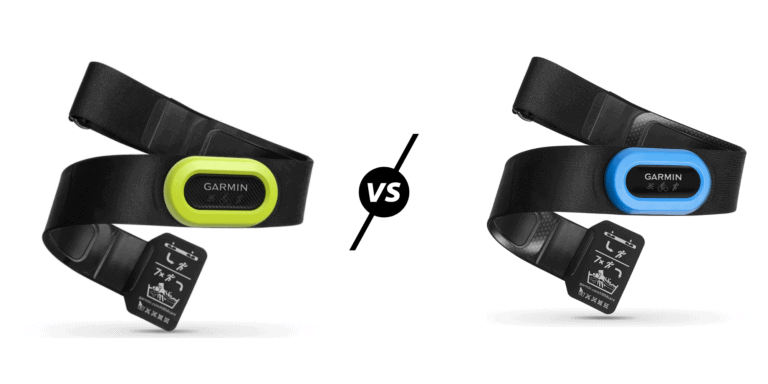
The official Garmin list states the Vivoactive and Venu are compatible with HRM Dual, then speed and cadence sensor for the bike.
The FR245 is compatible with HRM-Run, and the various footpods.
None of the models are compatible with cycling power meters.
[content-egg module=Amazon template=list]
Which is the best buy?
Overall, there is no stand out watch, each one caters for a different user.
If you are looking for a smartwatch that looks great and offers superior battery life plus fitness tracking features than WearOS or other brands, then the Venu or Vivoactive are a good choice. The Venu appealing to people that want that bright AMOLED display found on most smartwatches.
For people more into fitness, and wanting better insight on their performance, then the FR245 will be better suited to you.
Comparison Chart
[table id=119 /]