Any links to online stores should be assumed to be affiliates. The company or PR agency provides all or most review samples. They have no control over my content, and I provide my honest opinion.
I am in the process of reviewing the new Honor Magic5 Pro, which features the excellent Snapdragon 8 Gen 2.
I have already benchmarked the SD8 Gen2 chipset in comparison to the previous SD8 Gen1, but this was using the Redmagic gaming phones, which have active cooling and aggressive performance focussed tuning.
Therefore, it makes more sense to benchmark the chipset on the phone, the Honor Magic5 Pro, which is a phone that should represent the performance most flagship phones can achieve and how much better the Snapdragon 8 Gen 2 is in comparison to the Gen 1 chipset that was on the Honor Magic4 Pro.
Honor Magic5 Pro vs Magic4 Pro Specification
[table id=536 /]Honor Magic5 Pro vs Magic4 Pro Benchmarks
Antutu
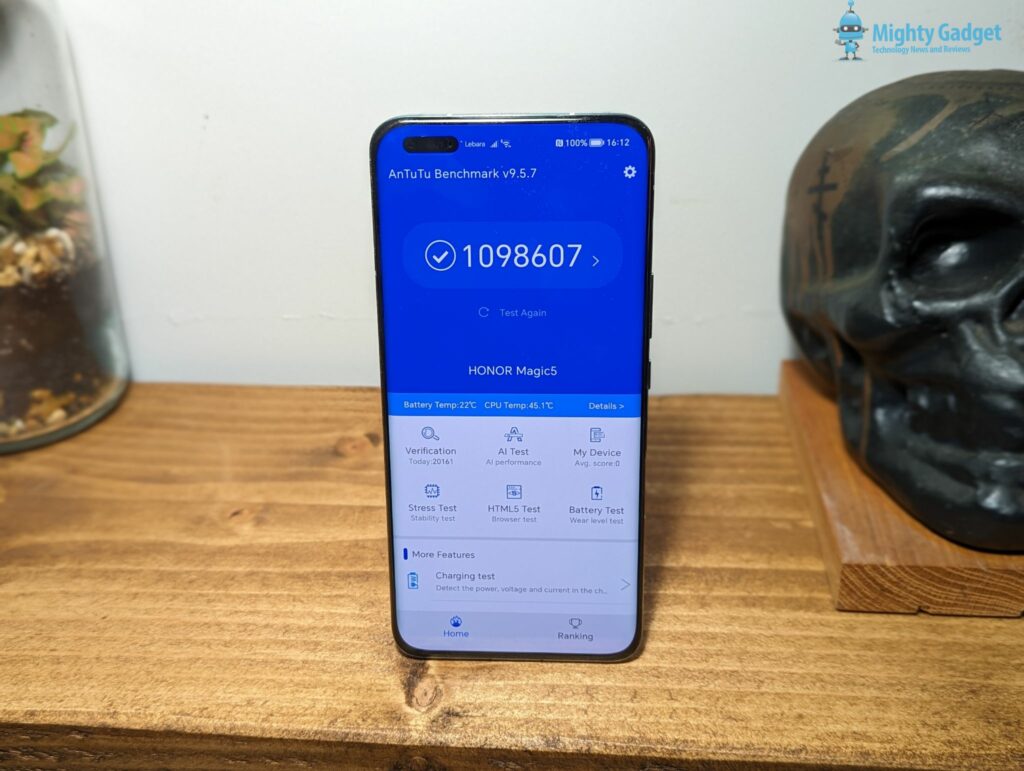
At first glance, the Antutu results don’t look overly impressive, a 16.5% increase from the previous generation and well below the massive score of 1,264,868 that the Redmagic 8 Pro achieved.
Looking at the breakdown of score, the UX score is holding it back. This has actually gone down from last year, for some reason. The CPU only goes up by 3.9%, which is a bigger improvement than the Redmagic. The GPU score then goes up 22.6%, and memory is a massive 36% improvement.
Perhaps most important of all, there is a smaller temperature rise and battery decrease, indicating a more efficient chipset.
Geekbench 5 & 6
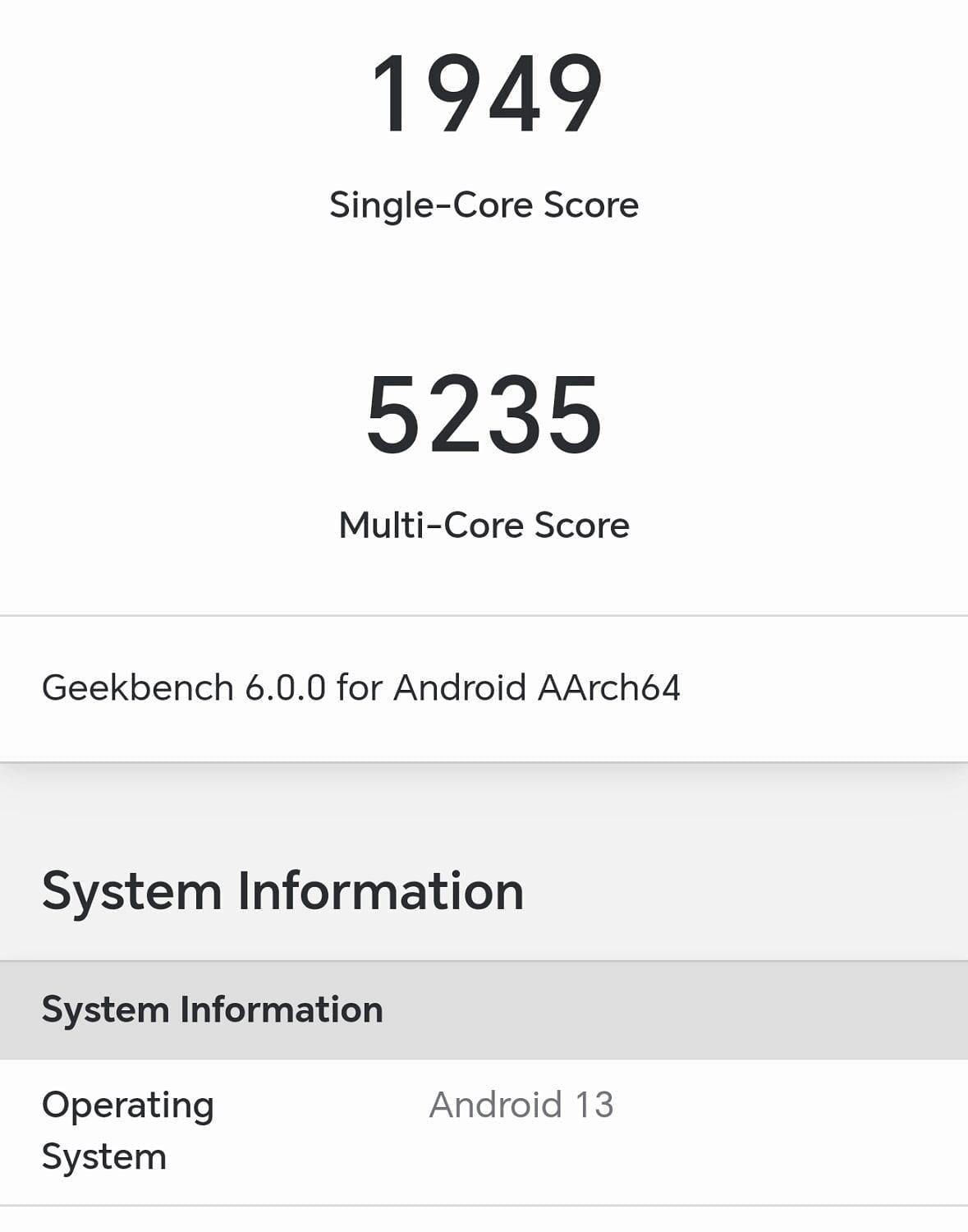
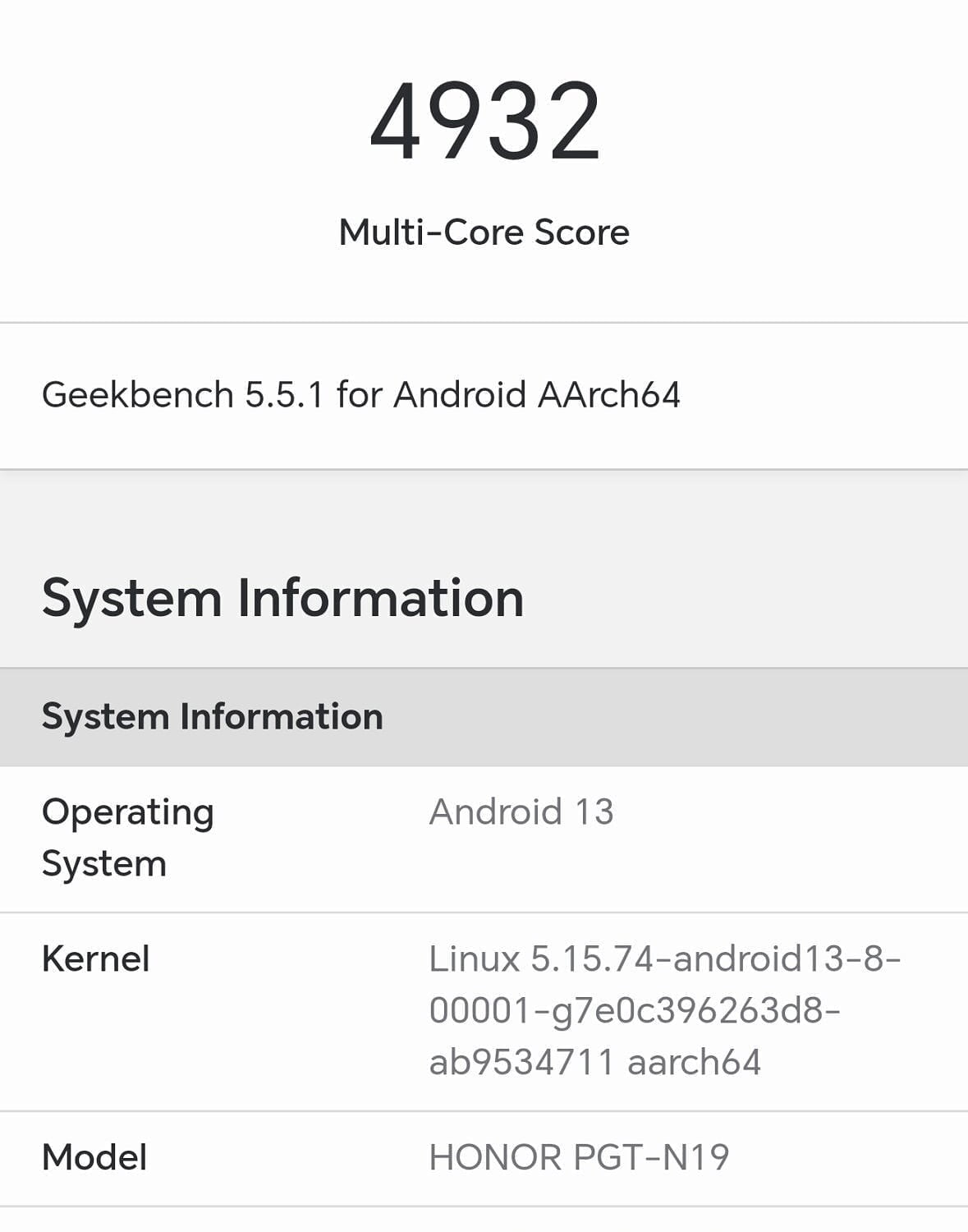
Geekbench 6 is out now, but I don’t have the Honor Magic4 Pro to test that with and therefore had to install the older Geekbench 5.
With this, the results were similar to the Redmagic 8 Pro. There is a 21.4% and 38.2% uplift in performance for the single and multi-core results, respectively.
As for Geekbench 6, this phone scores 1949/5235 while the Redmagic 8 Pro achieved 1980/5627.
3DMark Wildlife Stress Testing / Thermal Throttling
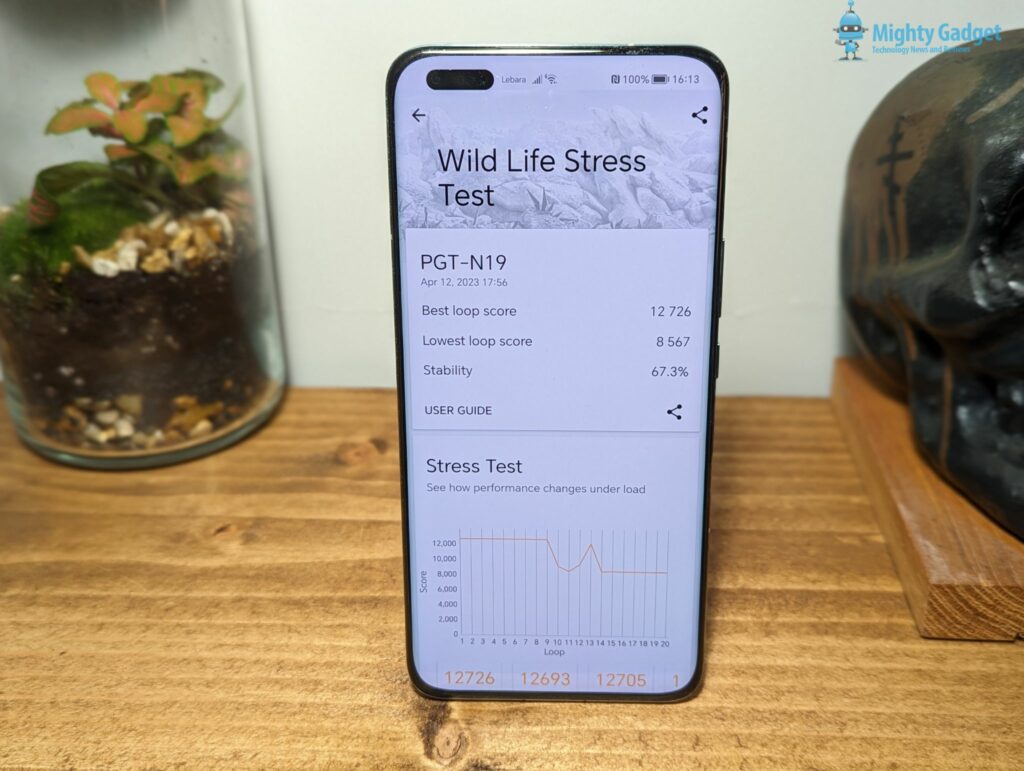
The 3DMark Wildlife stress test may not be the best benchmark for real-world performance, but it gives us a good idea of how the performance has improved and if the chipset can achieve this performance efficiently.
The SD888 was a big step back in terms of efficiency, and then the Google Tensor and Qualcomm Snapdragon 8 Gen 1 continued the trend, both suffering from serious thermal throttling issues, high temperatures and high battery drain.
The switch back to TSMC with the Snapdragon 8 Gen 1+ showed a big improvement with these problems and my benchmarks of the Redmagic 8 Pro indicated Qualcomm Snapdragon 8 Gen 2 was a superb chipset with high performance while not draining too much batter or running too hot.
The Honor Magic5 Pro isn’t quite as good as I would have liked to see, but it is still an improvement compared to its predecessor.
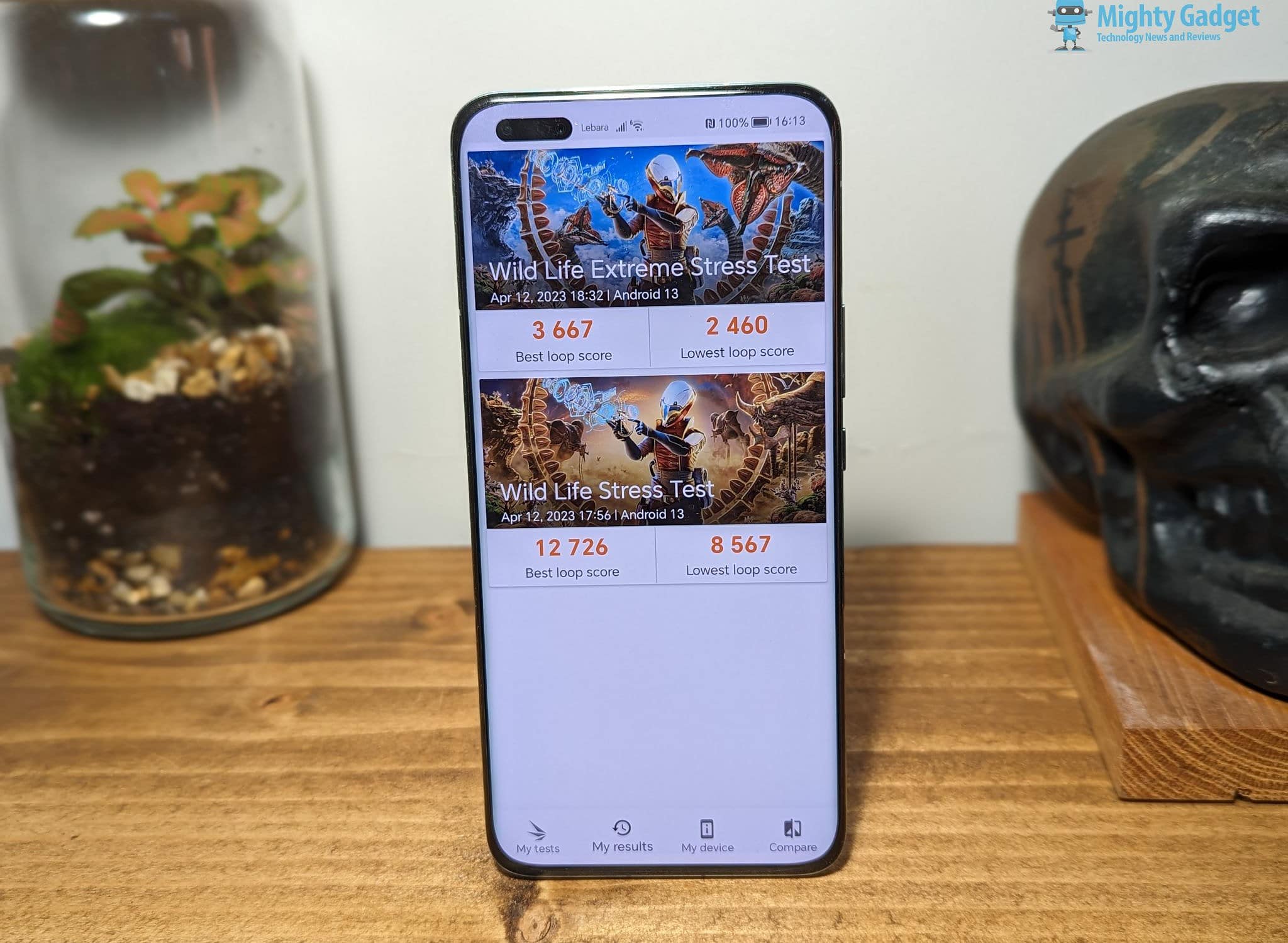
You have an impressive 25% increase in the high score and 33% improvement in the lowest score. However, the stability has only improved from 63.3% to 67.3%, and the temperature increased 19° vs 20°.
One thing worth noting, I also ran the Wild Life Extreme Stress Test shortly after the normal stress test, and this went from 25° vs 38°. So the temperature range is significantly reduced, and the top temperature is reduced. I suspect they could have let it run to 44° for much superior stability but at the cost of the battery.
Furthermore, if you look at the graph of the stress test. The Honor Magic4 Pro dips at the 5th loop dropping from 10k to 8k, then again at loop 12, going down to its lowest score by loop 14.
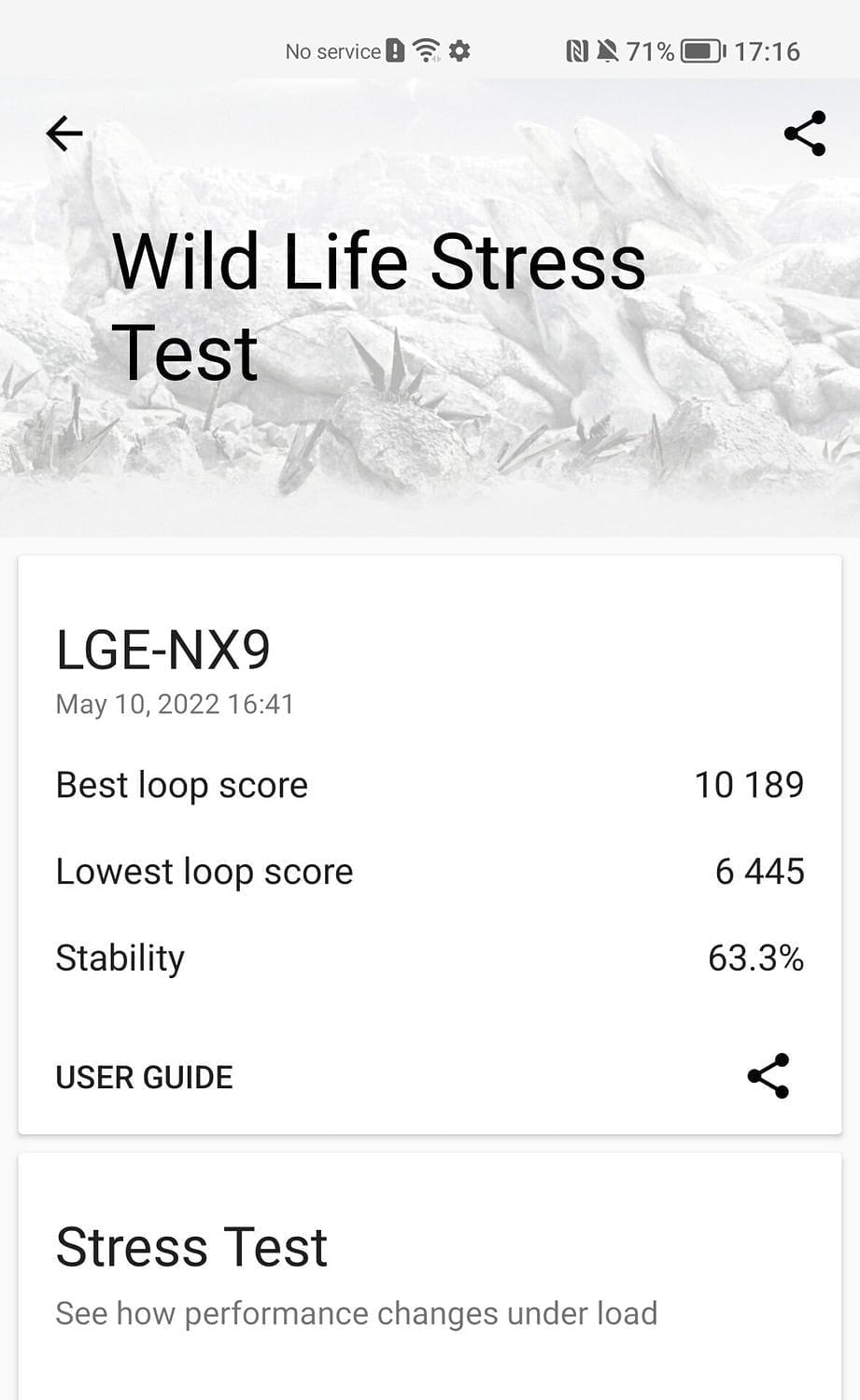
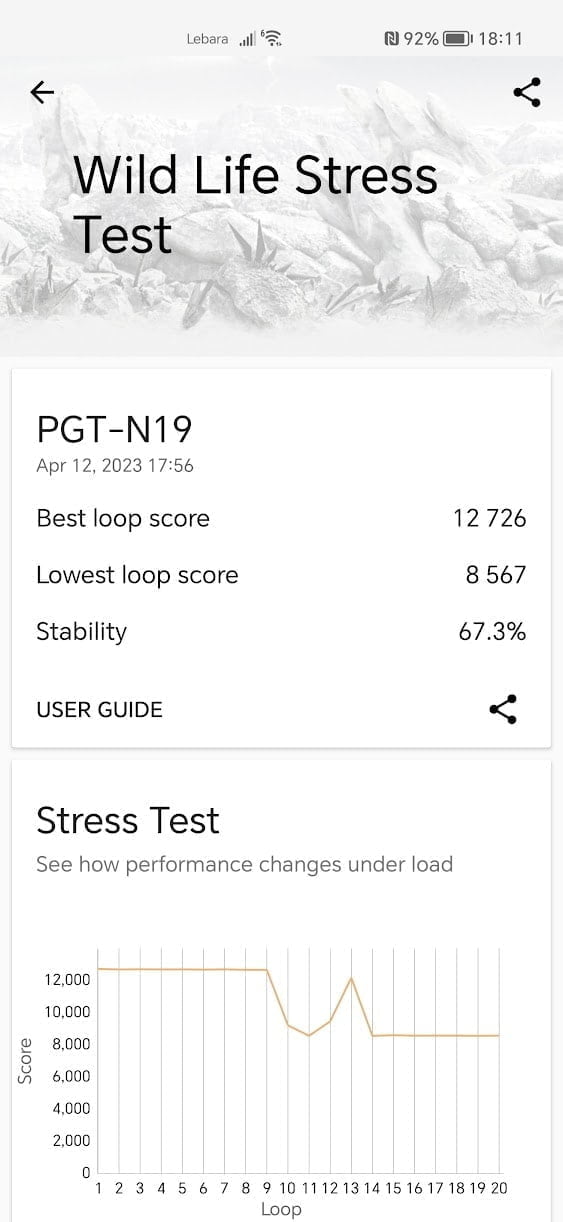
The Magic4 Pro doesn’t dip until loop 9, it even bounces back up, and from the 14th loop onwards, it has a stable result. So, even those the full test indicates there is not a significant improvement in stability across 20 loops; it is able to sustain peak performance for over twice as long as the Honor Magic4 Pro.
The battery is bigger on this phone, which is always a big selling point for me. Some rough maths indicates that the Honor Magic5 Pro used 408mAh for the stress test, whereas the Honor Magic4 Pro used 644mAh. I calculated that the Redmagic 8 Pro used 720mAh, but that had almost perfect stability with a low score of 13521.
Assuming my maths isn’t wrong (and it probably is), that’s a significant improvement in efficiency.
PCMark Battery
[table id=332 /]I don’t really like the PCMark benchmark, as the results are all over the place between phones. Though this shows how some brands tune phones differently, some running a phone at max performance (likely to manipulate results), and others have more natural peaks and troughs, showing the CPU frequency dipping for less demanding tasks.
PCMark has been upgraded to version 3 since I reviewed the Honor Magic4 Pro, so this isn’t a very good comparison at all.
The Honor Magic5 Pro achieved 13 hours and 38 minutes with an average score of 14310.
The Honor Magic4 Pro achieved 10h 32 mins with a score of 14670.
I wouldn’t be too concerned about the score, that’s likely a result of the new version of the benchmark, but the battery score is a massive improvement. The battery has 11% more capacity, and the Qualcomm Snapdragon 8 Gen 2, should be and has proven itself to be more efficient, so this improved performance was expected.
Overall
The results of the Honor Magic5 Pro benchmarks were more or less as expected. While they look less impressive than the Redmagic 8 Pro, when you look at the performance improvement from the Honor Magic4 Pro to the Magic5 Pro, it follows the same trend as Redmagic with the 7 Pro and 8 Pro.
The Qualcomm Snapdragon 8 Gen 2 was undoubtedly going to be a powerful chipset, but the main improvement is that Qualcomm is finally reining in the power draw of its flagship chipsets thanks to the superior TSMC fabrication process.
The Honor Magic4 Pro was one of my favourite phones of last year as it had a good balance of flagship features and price. The Honor Magic5 Pro follows suit, it is priced lower than flagship options from Samsung, Google and Xiaomi yet still offers the flagship experience many of us want.
Originally posted on mightygadget.co.uk – Follow on Twitter – Instagram – Facebook – Mighty Gadget Latest Reviews
[wpcode id=”676000″]