Any links to online stores should be assumed to be affiliates. The company or PR agency provides all or most review samples. They have no control over my content, and I provide my honest opinion.
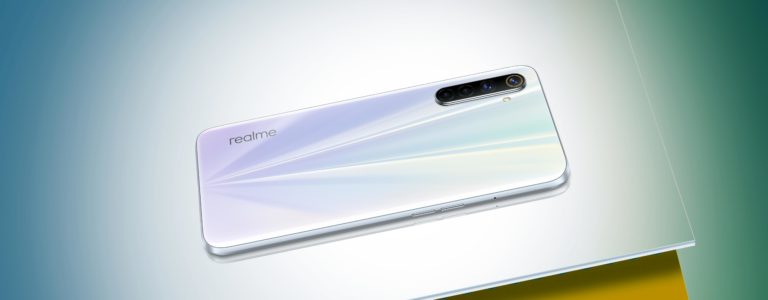
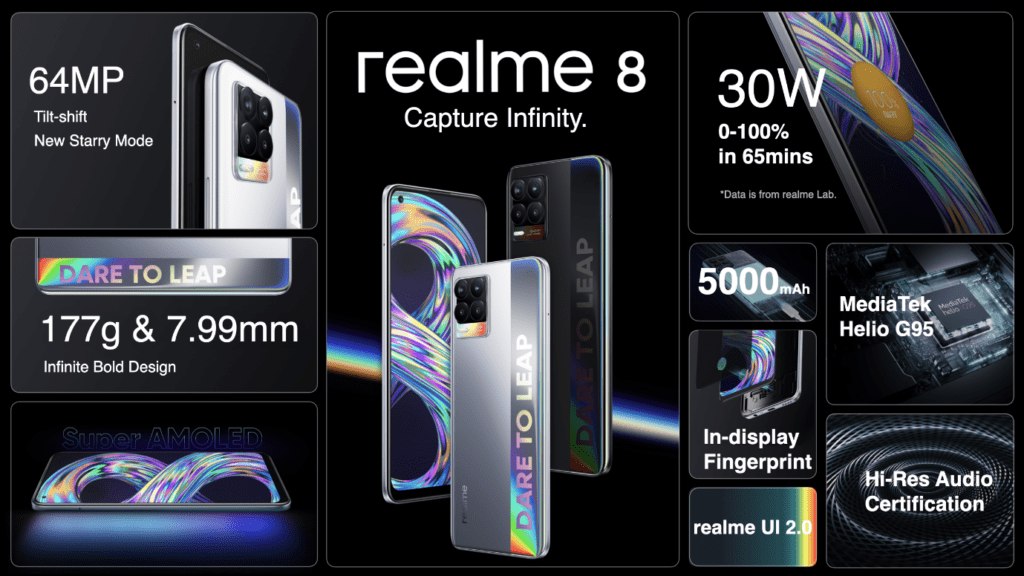
Recently, Realme expanded their 8-series product line-up with the Realme 8 5G and the Realme 8 giving us three excellent options in their new range, all using different chipsets.
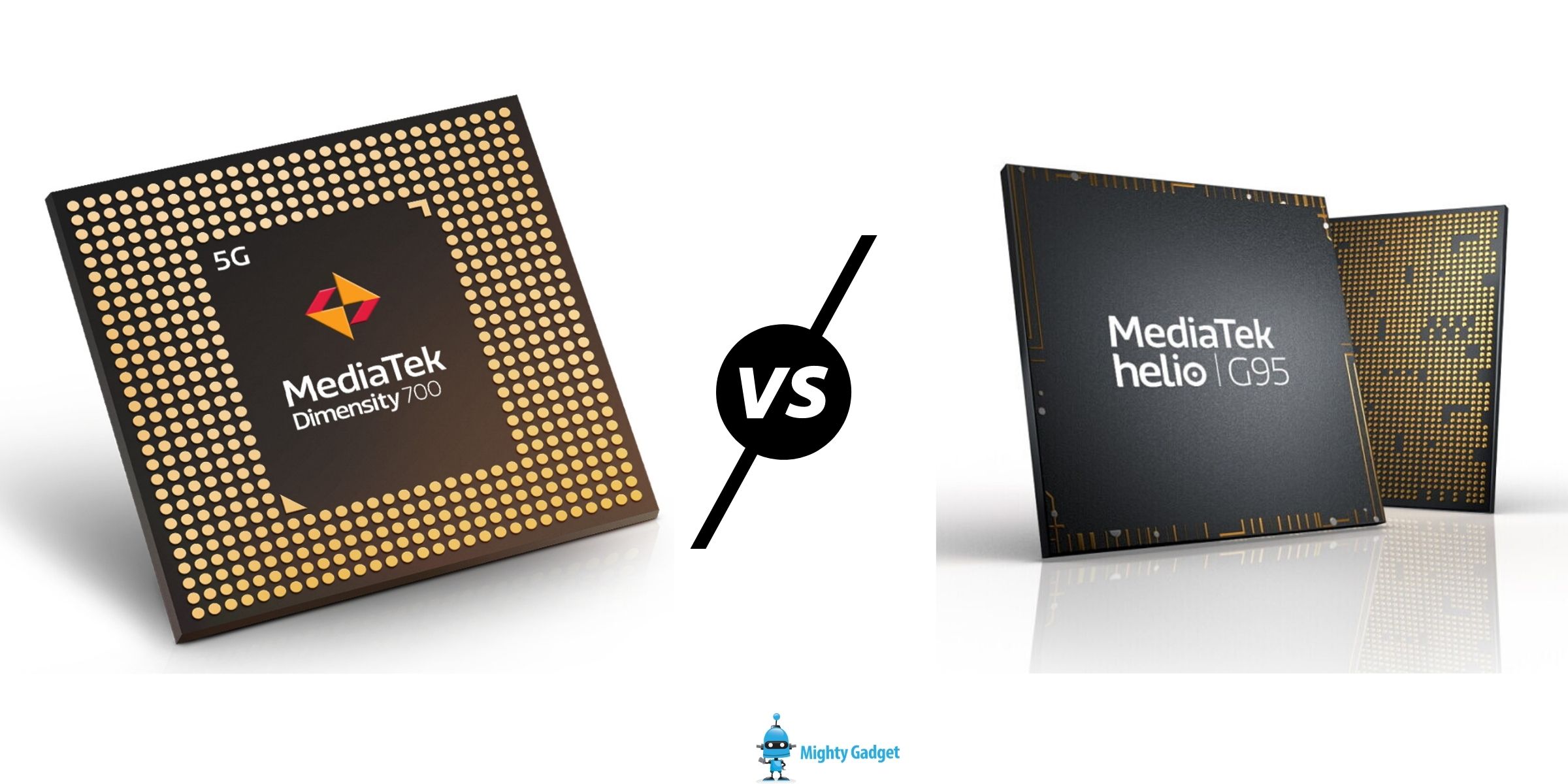
The Realme 8 Pro uses the Snapdragon 720G, the 8 5G uses the brand new MediaTek Dimensity 700, and the Realme 8 uses the MediaTek Helio G95.
Last year, the Realme 7 5G used the Dimensity 800U, so Realme has actually downgraded the chipset to hit a new low price point. But how much difference will that make, and is 5G connectivity worth it over the Helio G95?
MediaTek Dimensity 700 vs Dimensity 800U vs Helio G95 vs Snapdragon 720G Specification Compared
[table id=344 /]
CPU
All four chipsets offer a very similar specification for the CPU, all being 2x Cortex-A76 + 6x Cortex-A55, just slightly different frequencies
The Helio G95 sits at the bottom of the pack with 2.05 GHz on its two performance cores, making it just 6.8% behind the Dimensity 700 and the biggest difference being 14% behind the Dimensity 800u.
GPU
GPU performance will be the main thing that differentiates the performance between the chipsets. I have not used a phone with the MediaTek Dimensity 700 yet, but it uses the same ARM Mali-G57 GPU as the 800u but with 1 less core (a 33% reduction).
The Helio G95 uses the higher end but older Mali-G76 MC4, while Qualcomm uses their own Adreno 618.
The benchmarks below will give some idea of the performance differences.
Connectivity
Both the Dimensity chipsets feature 5G connectivity, while the Helio G95 and Snapdragon 720G lack it.
5G coverage has improved a lot in the UK, and if you can get it, it’s fantastic. I am just not sold on the idea of needing 5G on a budget phone. 4G is already very good in the UK, and I think a lot of buyers would be better off with a 4G chipset with a superior spec elsewhere.
Benchmarks & Performance – Antutu – 3DMark Wildlife
Antutu Benchmarks
[table id=340 /]
3DMark Benchmarks
[table id=321 /]
Antutu and 3DMark results are favourable towards the MediaTek chipsets, and the Dimensity 800U outclasses the competition overall.
However, the GPU performance in Antutu is not far off the Realme 7, which uses the Helio G95, so there should be a reasonably large dip in performance when benchmarking the Mediatek Dimensity 700.
Some sites list the Dimensity 700 with a score of 285883, placing it below the G95, but a touch above the SD720.
The Realme V13 with the Dimensity 700 is reported as scoring 1102 in 3DMark Wildlife which places it ahead of both the SD720G and the Helio G95
Overall
[amazon box=”B08WXRLYQZ,B08MQ1CJ1G,B08K99BCDF” template=”table” filterby=”price”]
Benchmarks indicate that the MediaTek Dimensity 700 will offer superior gaming performance vs the Helio G95 with the added bonus of the 5G connectivity. This somewhat ruins my initial theory that the Realme 8 will be a much better buy than the Realme 8 5G.
The combination of the superior gaming performance and the 90Hz IPS display will make the Realme 8 5G a better buy for anyone that is a keen mobile gamer.
An alternative option would be to look for deals on the Realme 7 5G; it looks like Appliances and Laptops Direct both have the Realme 7 5G for £209. With this, you would get a significant increase in gaming performance thanks to the Dimensity 800U, a faster refresh rate display (120Hz) and faster charging.
I still think that most regular UK buyers will prefer the Realme 8. The AMOLED display will offer a more enjoyable experience for general usage, and then you get a superior camera specification and much faster charging.