Any links to online stores should be assumed to be affiliates. The company or PR agency provides all or most review samples. They have no control over my content, and I provide my honest opinion.
The Raspberry Pi series of single board computers have been nothing short of a phenomenon, being far more popular than initially anticipated and has become the third best-selling general purpose computer of all time, with over 19-million units sold (based on 2018 figures). Pricing and compatibility have been the driving force behind the RPi success with the computers typically starting at $35 and compatibility between generations allowing people to develop on the RPi and distribute open source software regardless of the model they are using.
The original Raspberry Pi 3 model B was launch back in 2016, and it quickly became a fan favourite of home users for low-cost media devices, servers and dozens of other projects for things like home automation.
In recent years competition has ramped up and several other devices are arguably better for media thanks to improved chipset performance and much faster ethernet. However, none have managed to replicate the success of the RPi.
Yesterday, the Raspberry Pi announced the RPi 4 Model B, which addresses most of the issues that the ageing RPi 3 faces.
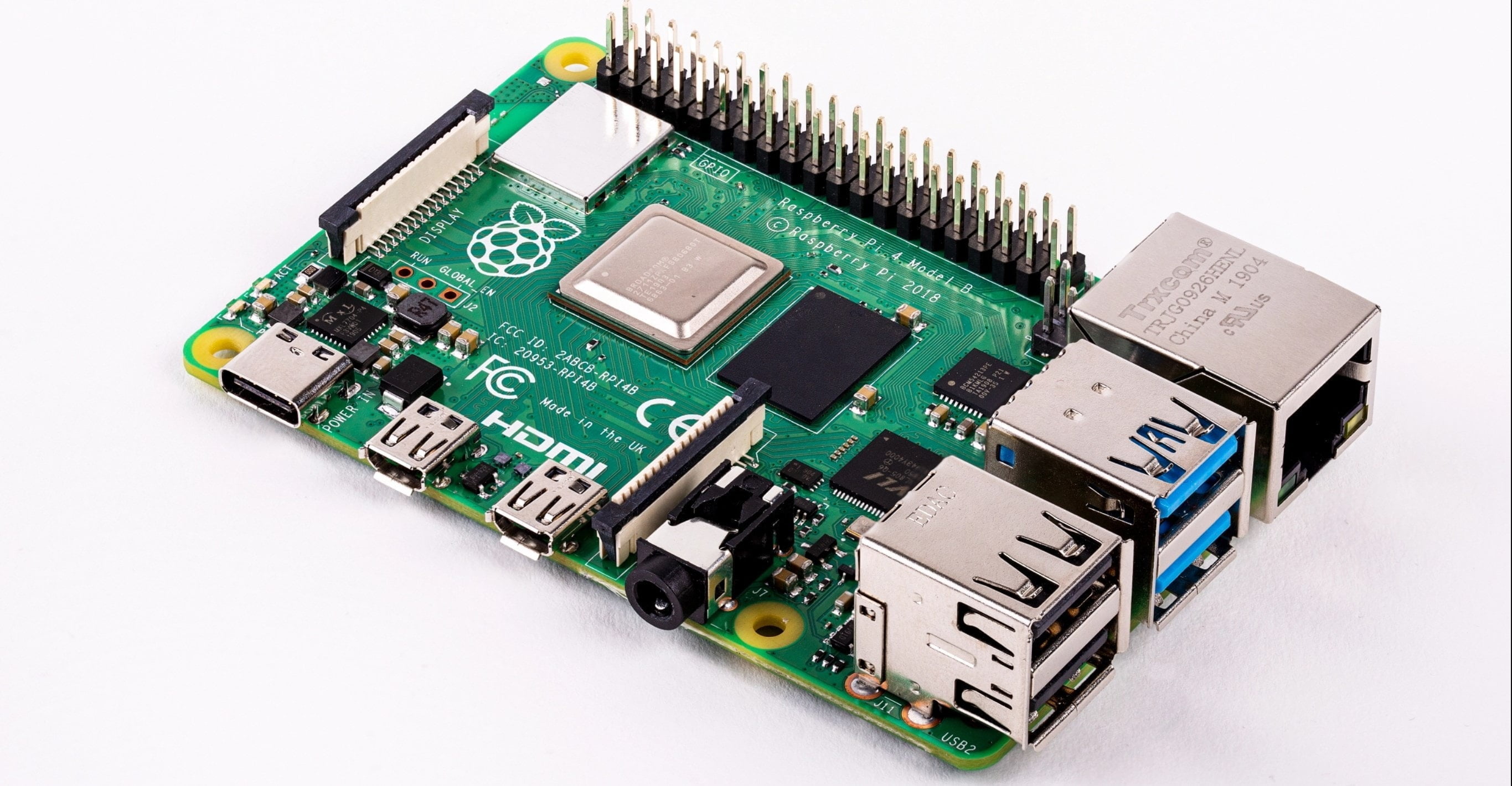
Based on Broadcom SoCs, the new Pi incorporates Broadcom’s BCM2711, a 28nm SoC with a quad Cortex-A72 setup along with the company’s VideoCore VI GPU. The GPU is arguably the weak spot here, but the Raspberry Pi Foundation prioritises an open GPU first and foremost, and this, therefore, means there should be no compatibility issues with the new model.
What they have done is provide considerable improvement to the CPU, replacing the old Cortex-A53 CPU cores with cores from Arm’s much faster high-performance line of out-of-order execution cores. As a result, even with a clock speed of just 1.5GHz, the Pi 4 is a good deal faster than the Pi 3, not to mention faster than even some mid-range smartphones.
Similarly, I/O has seen a massive improvement the SoC brings with it USB 3 support, giving the platform access to SuperSpeed USB data rates for the first time with 2x USB-A 3.0 ports, plus an additional two USB-A 2.0 ports.
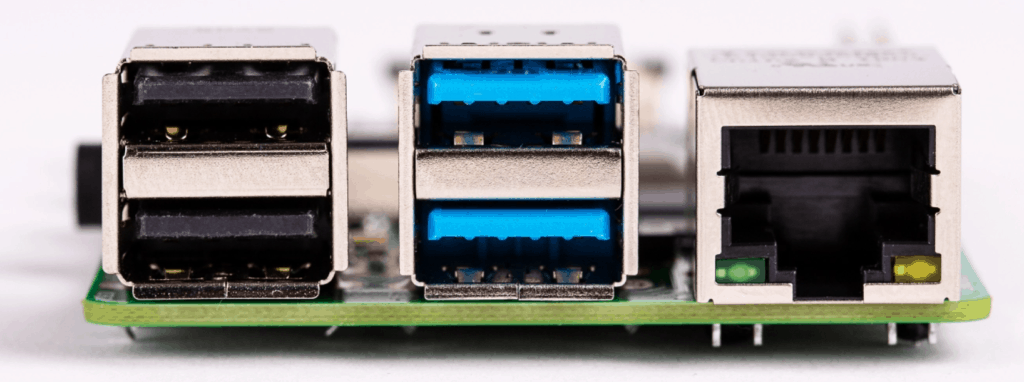
Then the ethernet has been upgraded to full-speed Gigabit Ethernet port whereas the original RPi 3 model B only had 100 Megabit and the B+ has Gigabit, but it was over USB 2.0 and restricted to 300Mbps.
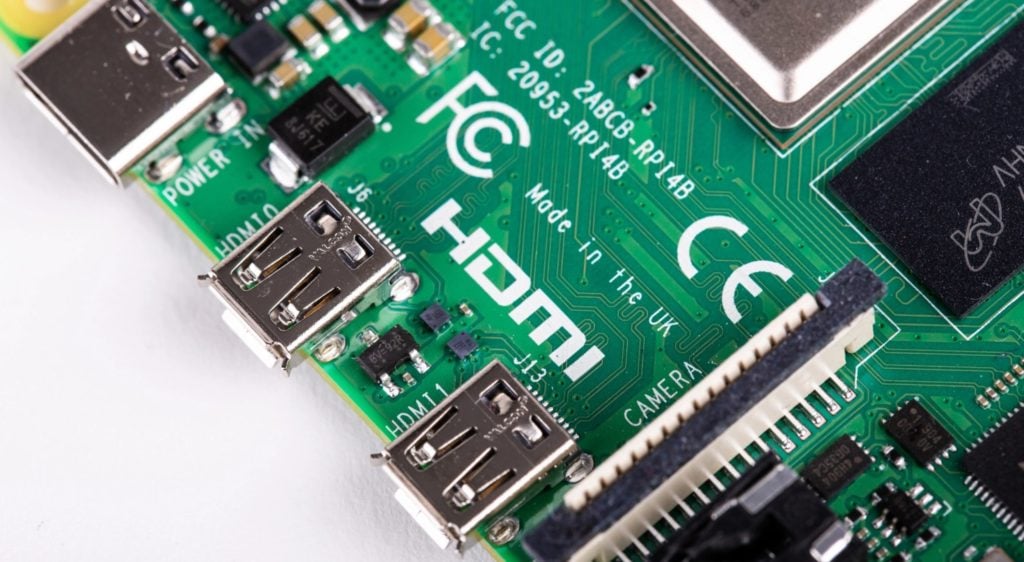
The upgraded GPU is linked to two micro-HDMI ports, each capable of driving an independent display at 4K30 – or, with a little overclocking and the understanding that video corruption may occur if you exceed the bandwidth available to the hardware video scaler, an unofficial twin-display 4K60 – or a single display at 4K60. There’s a hardware decoder for H.265 (HEVC) video, too, which can handle 4K60 content – though that’s the only 4K format the machine is able to play, with all other codecs limited to lower resolutions.
Finally, this is the first generation of Raspberry Pi to offer more than 1GB of RAM; you now have a choice of three memory configurations with 1GB, 2GB, or 4GB.
The Model B form factor has been preserved for both size and mounting holes, though there are some changes for component layout that will likely interrupt fitment into existing cases:
- The full-sized HDMI connector has been replaced by 2x micro-HDMI connectors
- The ethernet port has been moved to the “other side” of the USB connectors
While the computer will sell in the US from $35, in the UK pricing starts at £34 for the 1GB model, and each memory option adds £10, so £44 for 2GB and £54 for 4GB.
All these upgrades allow the new Raspberry Pi 4 Model B to function amazingly for various home media and networking projects. The Gigabit connection will allow this to be used as a budget NAS or Plex Server, and it can perform similarly well as a media player depending on what resolution and file type you want to play.
I have a 2GB model on the way and I plan on testing it for several projects including trying out Xpenology so I can have a budget Synology Nas, a web server, as well as Plex and Kodi media players.
[table id=85 /]